Cutting boards cause the poisoning of children all over the world!
The boy was taken to the city hospital. High fever and vomiting lasted almost a week. The most unpleasant thing is that the story got into the local press and became known throughout the Guangdong province, and in addition to stress, Liu Jin faced the fact that she, as a mother, was condemned by many acquaintances and strangers.
But most importantly, the doctors managed to establish the cause of the terrible poisoning — in the body of little Chen were found several types of parasites, including liver parasites. They all migrated into the child’s intestines through an ordinary cutting board. Unfortunately, Liu Jin’s mom made several serious mistakes when using the familiar kitchen board.

Dr. Kathy R. Akashi is a gastroenterologist in Anaheim, California and is affiliated with Kaiser Permanente Anaheim and Irvine Medical Centers.
She received her medical degree from New York University Grossman School of Medicine and has been in practice for more than 20 years.

What absolutely must not be done with kitchen boards?
Little Chen’s mom, Liu Jin, used the “tried and true” method of scalding the cutting board with boiling water after each use. Liu was proud that she always followed this rule. As a good mother, she knew many women were too lazy to bother with boiling water, so they rinsed the boards with cold water.
Both make a mistake. Scalding with boiling water will only work on a new cutting board the first few times. When there are scratches on it, boiling water can not get the microbes settled in the recesses, and the scalding effect in such conditions tends to be zero.
Boiling water only stops the bacterial multiplication process for a while. But as soon as the cutting board temperature drops, the bacteria multiply with renewed vigor.
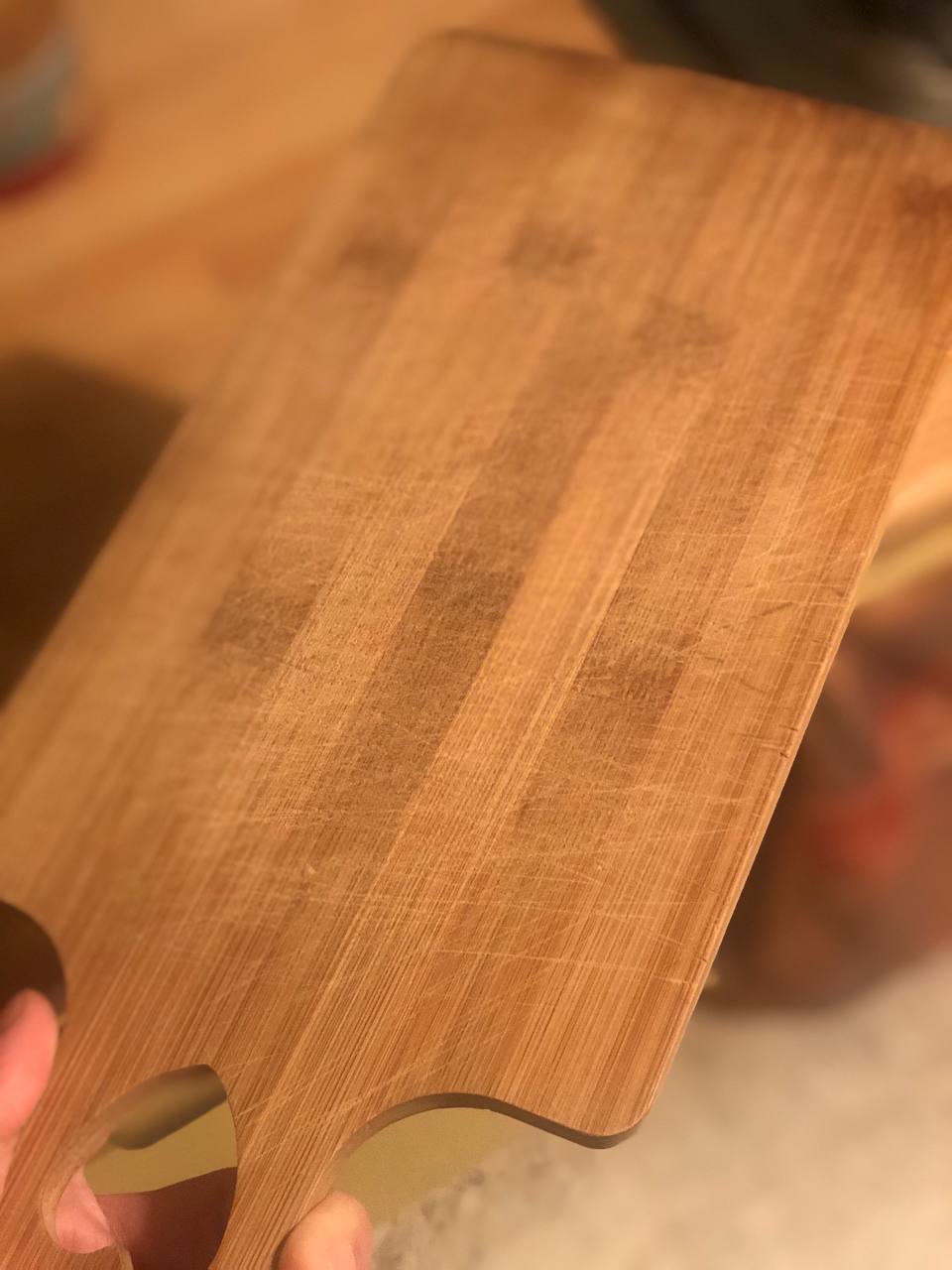
Where do bacteria on our cutting boards come from? And why do our children suffer the most from it?
Any plastic or wooden board is a paradise for harmful microbes to live and grow. If you regularly cut meat on a plastic or wooden board, chances are they are already home to:
- salmonella
- staphylococcus aureus
- pseudomonas bacillus
- clostridia
- and other germs that threaten your child's health!

What happens to our children if these germs are ingested even in minimal amounts:
- The child becomes sick — two weeks in daycare or school and two weeks at home is the standard story for such cases
- Weakened immunity — wet feet or the slightest attack of viruses become the cause of prolonged illness, and mom or dad has to go on sick leave again
- When germs live in the child's body, they often have problems with stool "in the same place," and there may be itching on different body parts or pimples.
If there are no other apparent causes, the germs that live on your blackened wooden board or the plastic boards that have been cut up with a meat or fish knife are probably to blame.
Germs don’t go away that easily. Even if you stop using your cutting board until better times — all the staphylococci and their friends will continue to live where they’ve already taken up residence.
You’ll forget to take precautions and reach for that board someday. Your child will immediately show symptoms of malaise and, in the worst case, acute poisoning.

Why won't board care guarantee you'll get rid of bacteria?
Do you wash cutting boards with cold water? It’s wildly irresponsible to your child in the first place. But don’t be in a hurry to put the kettle on. Even if you regularly scald your boards, it will have little effect.
The bacteria will continue to attack your children’s bodies. Regular washing, wet rags, and even disinfectants have zero results, and your child will continue to suffer and agonize with nasty diseases.
Even if you rinse the kitchen board regularly with tap water, most bacteria will remain inside. It will happen because of the protective layer of grease, which prevents most of the pathogens from striking.
A medical perspective on cutting boards with bacteria
According to professional nutritionists, cutting boards are among the top items with the highest cross-contamination rates. People who use wooden or plastic cutting boards for all foods in a row are at the highest risk. For example, for meat and vegetables at the same time.
Sooner or later, the result of such cutting board use is severe diarrhea, difficult-to-tolerate abdominal pain, prolonged vomiting, and nausea. Many experience these symptoms regularly, lifelong, simply because they cannot find the cause of what is happening.
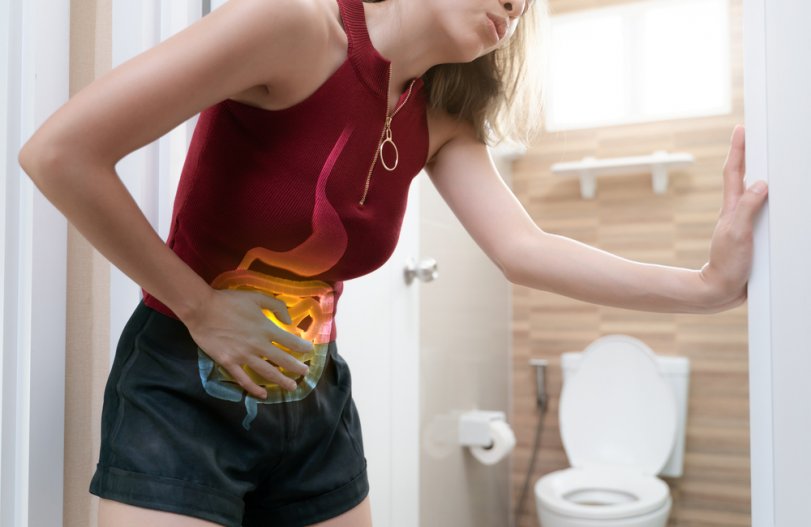
For example, Eric Ngereso, a nutritionist at Kenyatta National Hospital in Nairobi, believes that germs multiply when food lies at room temperature for long periods. It is how it creates the most favorable environment for toxins, parasites, viruses, and bacteria.
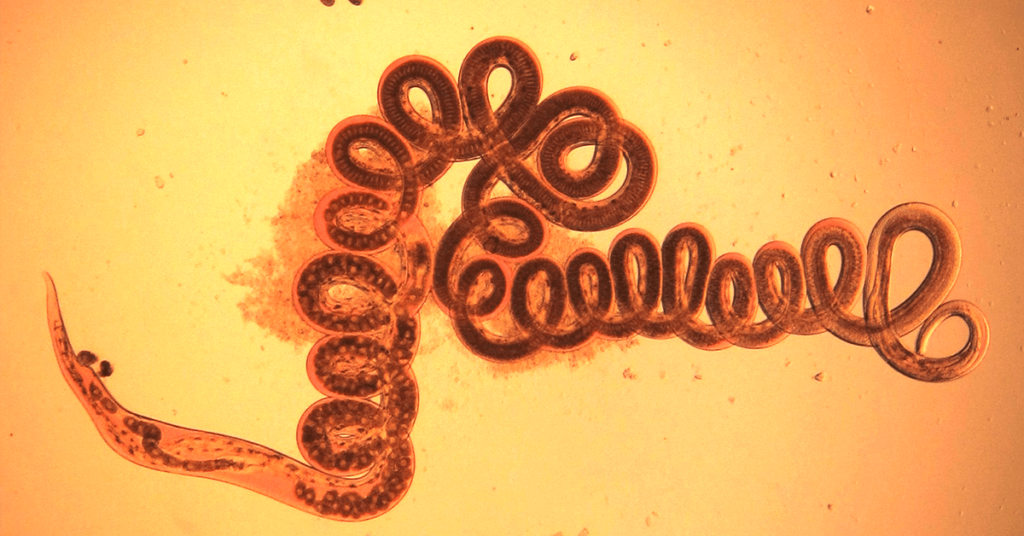
Sarah Chudin Sutter, a doctor at the University Hospital in Basel, Switzerland, went even further and conducted some interesting scientific research.
The doctor went into her hospital’s kitchen to examine 154 cutting boards independently and the types of meat handled in the kitchen.
According to the results, the chicken cutting boards were contaminated 6.5% of the time. In these conditions, Sarah Chudin Sutter discovered Escherichia coli, which is E. coli, the causative agent of severe and painful food poisoning.
Based on the findings, the investigation was expanded to the next stage. This time, doctors sampled 144 families from France, Germany, and Switzerland. The fears were confirmed. The same E. coli was found on many poultry cutting boards.
Based on the findings, the investigation was expanded to the next stage. This time, doctors sampled 144 families from France, Germany, and Switzerland. The fears were confirmed.
The same E. coli was found on many poultry cutting boards.
What solution does Dr. Kathy R. Akashi offer?
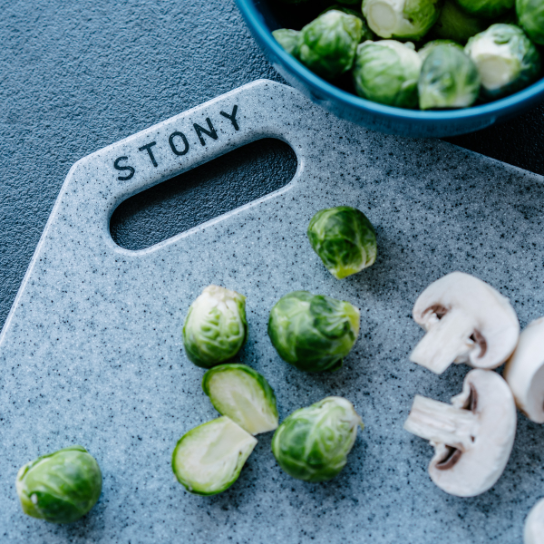
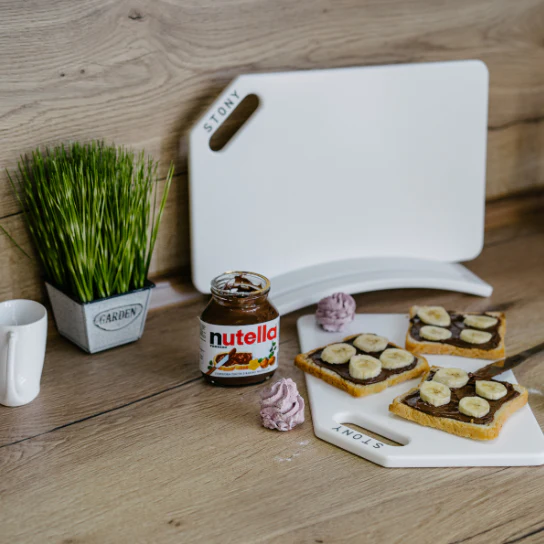
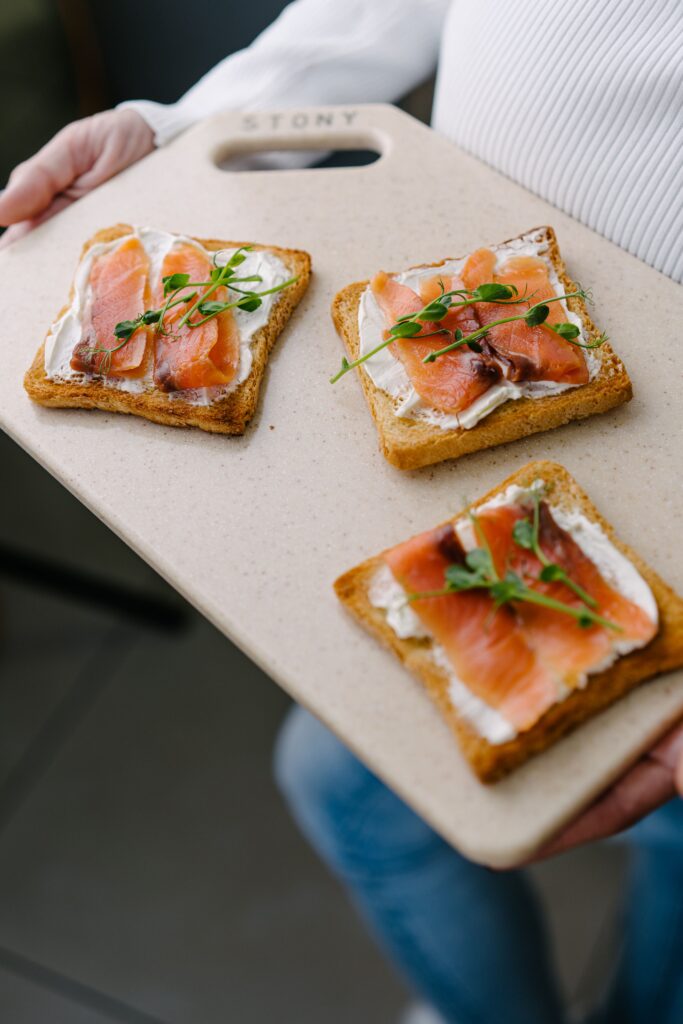
After studying samples of cutting boards and manufacturers that are available in the U.S., Dr. Kathy R. Akashi discovered Stony boards that are fully protected from mold, mildew and bacteria.
Cutting boards STONY, made of American material by Italian technology, are very dense, so it will be challenging to scratch them, even if Dad cuts the meat. If no cavities are on the board, bacteria will not find a place to settle on a perfectly flat and dense surface.
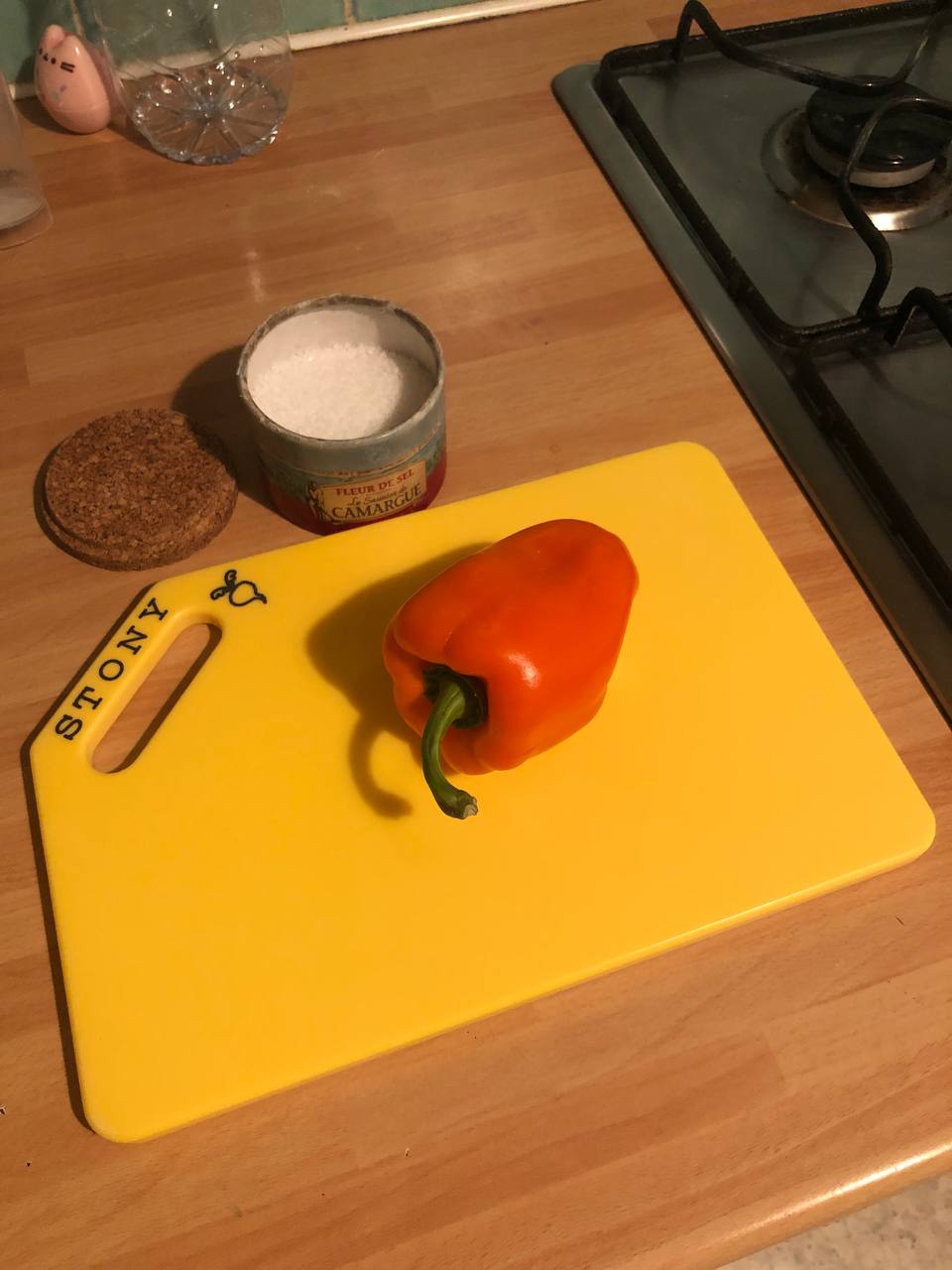
Thanks to the STONY stone cutting board’s very dense and glossy structure, an ordinary water jet will wash 99% of bacteria off the product’s surface.
Plastic and wooden cutting boards have a limited shelf life. Replacing them every few months or, even better, every few weeks is advisable.
At the same time, STONY cutting boards are protected from mold, do not absorb odors, and do not dull knives. But the most valuable thing is that they retain all these advantages for 25 years.
The good news is that just one STONY board successfully and safely replaces five wooden or plastic boards for different products. And it doesn’t need to be replaced every few weeks, but every 25 years!
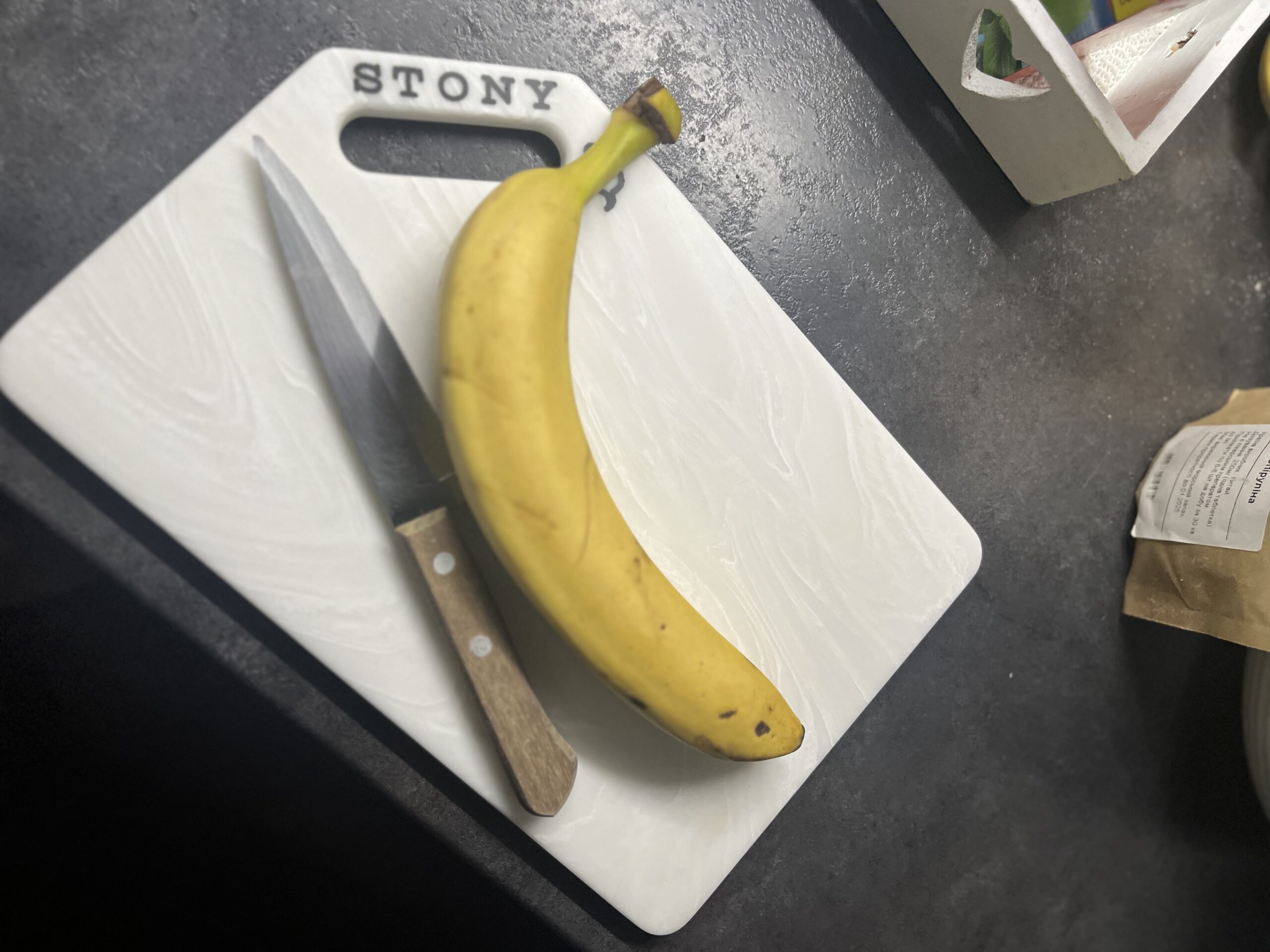
After the case with Chen, Liu Jin also bought the STONY stone cutting board with protection against mold, fungus, and bacteria on doctors' advice.
It is how the mom and child’s lives changed after the new proper purchase
Odors and tastes have completely disappeared from the cutting board
Onion and garlic odors were constantly left on the wooden boards. Gradually, they were absorbed by other products. It caused significant discomfort for the mom and child. This phenomenon has wholly disappeared thanks to the STONY stone board with a dense structure. You can cut any food in any order on them, and the odors will never mix.
Hygienic
Liu Jin no longer washes wooden boards for 30 minutes or scrapes off the harmful bacteria layer with a knife. The dense STONY structure has been resistant to germs for many years. It ensures that the food on little Chen and Liu Jin’s table stays fresh and clean.
Durability
Even when little Chen grows up and finishes school, his mom, Liu Jin, will continue using the same STONY stone cutting board with a dense structure she bought when Chen was just one year old. The unique cutting board lasts and retains its benefits for 15–25 years.
Easy care
Liu Jin rinses STONY under running water to clean the board or wipes it with a cloth. It takes a few seconds, and the mom has more time to play with her baby.
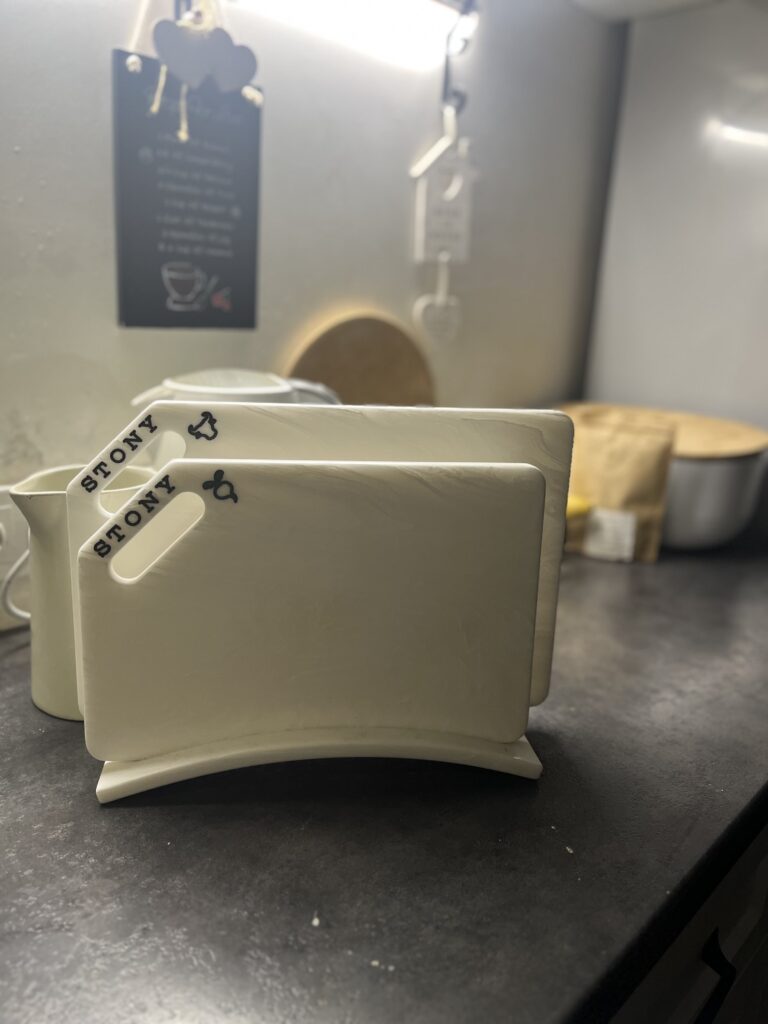
Attention!
A limited batch of STONY stone cutting boards with protection against mold, fungus, and bacteria has gone on sale in our country!
STONY stone planks are available today in six different shades. The price is more than reasonable, considering you won’t spend money on wooden and plastic boards for up to 15 years!
Right now, there is a 70% discount for those who are not indifferent to their health and their children’s health.
STONY branded boxes look restrained, refined, and elegant. Such a gift looks solid and will be an ideal solution for “What to give to someone who has everything?”.
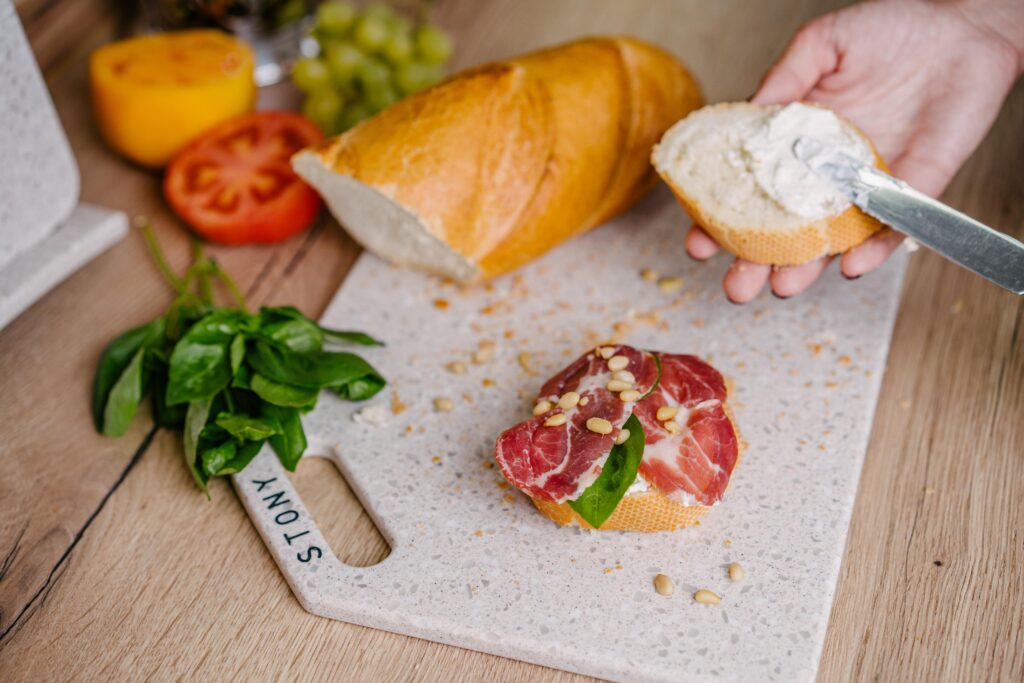
And these are not all the advantages of ultra-dense STONY stone boards. Evaluate the level of practicality of the product by several benefits, which we decided to tell you about at the very end:
- STONY dense stone boards do not absorb particles of coloring products. Everything that appears on the surface can be easily removed with a sponge and a cleaning agent
- STONY dense stone boards are resistant to mechanical damage, so you can safely beat on such a surface and do not worry if the board falls on the floor. It will remain intact and unharmed
- STONY stone board is also easy to clean in the dishwasher
- And if the price seems too high for you, you can buy in installments easy to clean in the dishwasher
Happy buyers of STONY stone cutting boards protected against mold, fungus, and germs do not hold back emotions — working in the kitchen has become much more manageable.
Right now, this product is just hitting the US market, but it’s already being recommended by bloggers and homemakers who have updated their kitchen with Stony stone boards.